


There is a very specific kind of disappointment that happens when you open a cooler and realize the cold part worked, but everything else fell apart.
The drinks are cold. Good.
The sandwich bag is wet. Less good.
The fruit container has tipped over. A paper label is floating somewhere near the bottom. Someone packed cookies in a bag that is now damp in a way no cookie should ever be.
That is the part people forget when they grab a bag of regular ice. Ice keeps things cold, but it also melts. And once it melts, your cooler slowly turns into a little plastic bathtub.
Reusable ice cubes solve a different problem.
They are not magic. They are not meant to replace regular ice in every situation. But if you want a cleaner cooler, drier food, cold drinks, and less end-of-day cleanup, reusable ice cubes are worth packing the right way.
Nilpferd reusable ice cubes are small cooling cubes with a plastic outer shell and purified water inside. You freeze them before use, place them around the things you want to keep cold, then rinse, dry, and freeze them again for next time.
Here is how to pack your cooler so they actually work well.
Start with a Cold Cooler, Not a Warm One
A cooler that has been sitting in a hot garage or the back of a car is already working against you.
Before a beach day, camping trip, BBQ, fishing morning, or road trip, bring the cooler indoors if you can. If it feels warm to the touch, it will use up cooling power just getting itself cold.
The same goes for drinks and food. Room-temperature cans, warm fruit, and hot containers make the cooler work harder from the start. If you have time, put drinks in the fridge the night before and chill anything that can safely be chilled.
This does not need to be complicated. Even a little pre-chilling helps.
Reusable ice cubes are best at helping maintain a cold cooler. They can cool things down, but they perform better when they are not fighting a warm cooler and warm drinks from the first minute.
Freeze the Reusable Ice Cubes Completely
This sounds obvious, but it matters.
Reusable ice cubes should be fully frozen before they go into the cooler. If they are only partly frozen, they have less cooling time to give.
Spread them in the freezer so cold air can move around them. If you keep a lot of cubes together in one storage bag, give them enough time to freeze all the way through.
A good habit is to put them back in the freezer as soon as you rinse and dry them after a trip. That way they are ready when someone suddenly says, "We should go to the beach tomorrow."

Pack in Layers, Not One Big Pile
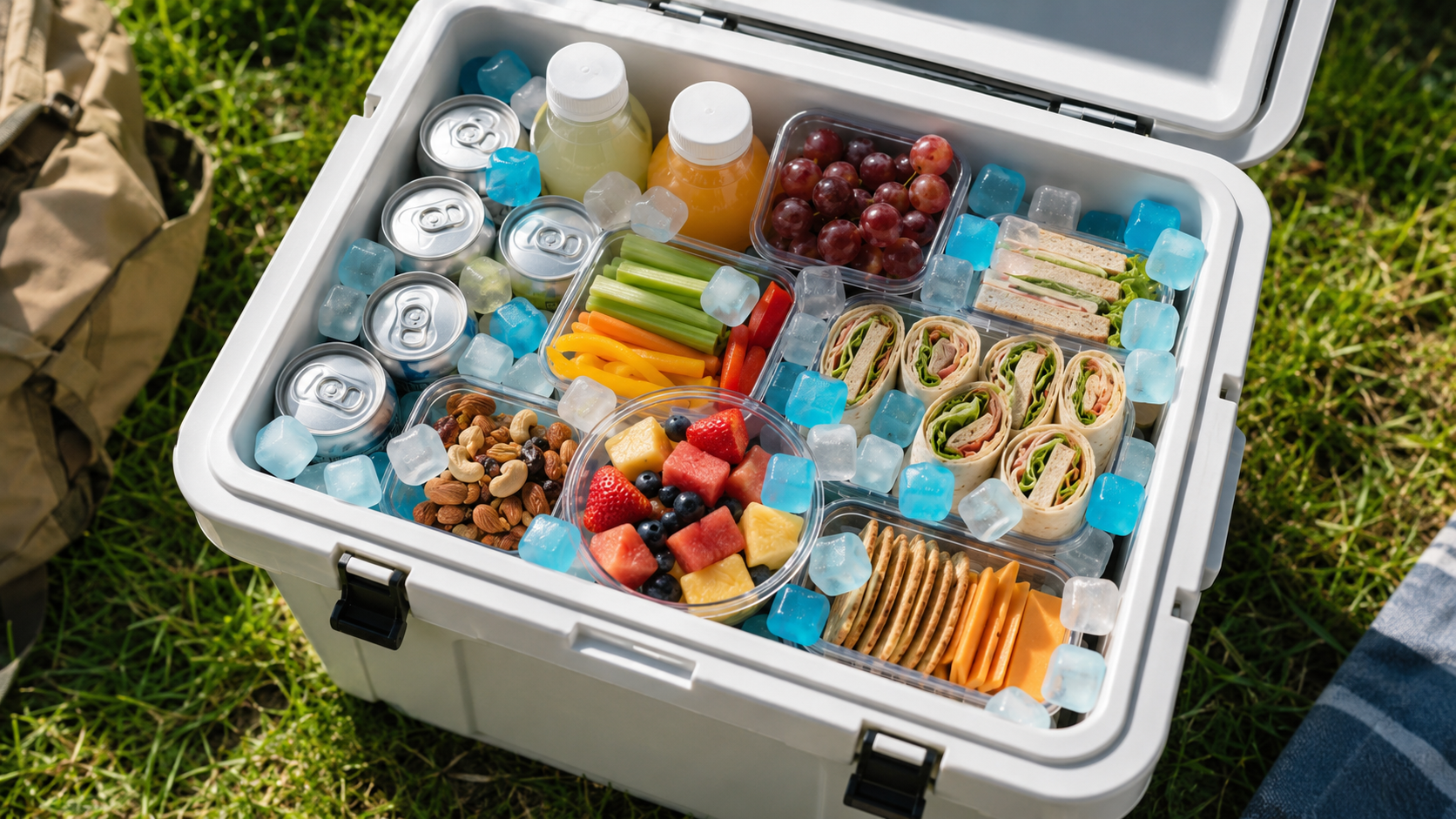
The main advantage of small reusable ice cubes is that you can place them where cold is actually needed.
Instead of dumping everything in randomly, think in layers.
Start with a layer of reusable ice cubes at the bottom of the cooler. This gives the cooler a cold base.
Then add drinks, food containers, fruit, sealed snacks, or lunch items.
After that, tuck more cubes around the sides and between items. Small cubes are useful here because they fit into gaps that large frozen shapes cannot.
Finally, add another layer of cubes near the top before you close the lid.
This helps cold surround the contents instead of sitting in one corner. It also keeps the cooler easier to organize, especially if you are packing for a group.

Keep Food and Drinks in Their Own Zones
Most cooler messes happen because everything gets packed together.
Drinks are usually fine if they get wet. Cans and bottles can handle cold water. Food is different.
Sandwiches, fruit containers, cheese, sauces, paper packaging, snack bags, and lunch items are much more annoying when they end up sitting in meltwater.
With reusable ice cubes, you can make cleaner zones.
Put drinks on one side and food on the other. Place cooling cubes around both sections, but give delicate food its own space. If something really needs to stay dry, put it in a sealed container and pack cubes around it instead of burying it under regular ice.
This is where reusable ice cubes feel practical. They help keep things cold without creating loose meltwater inside the cooler.
Use More Cubes for Bigger Coolers and Hotter Days
There is no perfect number of reusable ice cubes for every cooler.
A small lunch cooler needs less. A large family cooler needs more. A cooler sitting in the shade needs less help than one opened all afternoon in direct sun.
Use more cubes when:
- the cooler is large
- the weather is hot
- the trip is longer
- the cooler will be opened often
- drinks and food were not pre-chilled
- there is a lot of empty space inside
- you are packing for camping, fishing, BBQs, beach days, or road trips
Nilpferd reusable ice cubes can help maintain low temperatures for up to about 48 hours when fully frozen and used in a well-insulated cooler. But real performance depends on the cooler, outside temperature, how often the lid is opened, whether the contents were pre-chilled, how full the cooler is, and how many cubes you use.
Small habits make a real difference. A shaded cooler with cold drinks and enough cubes will perform much better than a half-empty cooler opened every few minutes in the sun.

Shop Nilpferd Reusable Ice Cubes
Pack once, clean up faster
Use 12lb for everyday coolers, 24lb for bigger trips, or value packs when you want more reusable cooling cubes ready in the freezer.
Fill Empty Space So Cold Air Does Not Escape So Fast
Empty space is not your friend.
Every time you open the lid, warm air gets in. If the cooler is half empty, there is more warm air moving around inside, and the contents can lose cold faster.
Reusable ice cubes help because you can tuck them into gaps between cans, bottles, food boxes, and containers.
If you still have empty space at the top, you can use a clean towel or other safe packing material to reduce air movement. This is especially helpful for road trips or camping days when the cooler is opened again and again.
The goal is not to pack the cooler so tightly that you cannot find anything. The goal is to reduce big empty pockets of air.
Keep the Most-Used Items Near the Top
A cooler loses cold every time people dig through it.
If you know the kids will want juice boxes first, put them near the top. If everyone is grabbing sparkling water all afternoon, keep those cans easy to reach. If dinner ingredients do not need to come out until later, place them lower and leave them alone.
Reusable ice cubes make this easier because you can spread them around different zones. You do not have to destroy the whole cooler just to find one drink.
For group trips, this matters more than people think. The cooler that stays organized usually stays colder.

When Regular Ice Still Makes Sense
Reusable ice cubes are useful, but regular ice still has its place.
If you need to chill a large amount of drinks very quickly, regular ice may be the better choice. If you are hosting a big outdoor party and do not care about meltwater, a bag of ice is simple and effective.
The better question is not always "which one is better?"
It is "what am I trying to keep cold?"
For food you want to keep dry, reusable ice cubes are often the cleaner option. For drinks where meltwater does not matter, regular ice can still work well.
You can also use both. Put reusable cubes around food, sealed containers, and anything you do not want sitting in water. Use regular ice around drinks if you need extra cooling and do not mind draining water later.
That kind of mixed setup is often the most practical answer.
If you are still deciding between reusable cubes and loose ice, read our guide to reusable ice cubes vs regular ice.
After the Trip, Rinse, Dry, and Refreeze
The cleanup is one of the quiet benefits.
With regular ice, the end of the day often means dumping water, wiping down the cooler, peeling off wet labels, and deciding which soggy items are still worth keeping.
With reusable ice cubes, you remove the cubes, rinse them if needed, dry them, and put them back in the freezer.
The cooler may still need a wipe-down, especially after food or outdoor use, but you are not dealing with the same pool of meltwater at the bottom.
It makes the whole routine easier to repeat.

A Simple Cooler Packing Example
For a beach day, you might pack like this:
- Start with a layer of frozen reusable ice cubes at the bottom.
- Add pre-chilled drinks on one side.
- Place sandwiches, fruit, and snacks in sealed containers on the other side.
- Tuck more cubes between the drinks and around the food containers.
- Put the most-used drinks near the top.
- Add a final layer of cubes before closing the lid.
Keep the cooler in the shade when possible, and avoid leaving the lid open while people decide what they want.
That setup is simple, but it handles the main problems: warm drinks, wet food, messy cleanup, and constant digging.
Final Takeaway
Packing a cooler well is not about making it perfect. It is about avoiding the little problems that make outdoor days messier than they need to be.
Reusable ice cubes are useful because they keep cooling simple. Freeze them fully, pack them around drinks and food, use enough for the size of the cooler, and keep the lid closed when you can.
You still get cold drinks. You still get food that stays organized. But you avoid the loose meltwater that turns the bottom of the cooler into a cleanup job.
For beach days, camping trips, fishing mornings, BBQs, lunch coolers, and road trips, that is a pretty good trade.
FAQ
Do reusable ice cubes keep a cooler dry?
They help reduce loose meltwater because the frozen water stays sealed inside the cube shell. You may still see condensation or moisture from food packaging, but reusable ice cubes do not melt into a puddle the way regular ice does.
Can I use reusable ice cubes for drinks?
Yes. Reusable ice cubes can help chill drinks without watering them down. They are useful for cans, bottles, drink buckets, and situations where you want cold drinks without dilution.
What is inside Nilpferd reusable ice cubes?
Nilpferd reusable ice cubes have a plastic outer shell with purified water inside.
How long can reusable ice cubes keep a cooler cold?
They can help maintain low temperatures for up to about 48 hours in the right setup. Results depend on the cooler, outside temperature, how often the lid is opened, whether food and drinks were pre-chilled, and how many cubes are used.
Can reusable ice cubes replace regular ice completely?
Sometimes, but not always. For everyday coolers, lunch bags, beach days, and food you want to keep dry, reusable ice cubes can be a cleaner choice. For very fast cooling or large drink coolers, regular ice may still be useful.
How should I store reusable ice cubes after use?
Rinse them if needed, dry them, and place them back in the freezer. Keeping them frozen and ready makes it easier to pack your next cooler quickly.

Make your cooler easier to pack and easier to clean
Nilpferd reusable ice cubes help keep drinks cold, food drier, and cleanup simpler after beach days, camping trips, BBQs, fishing, and road trips.
Share:
Reusable Ice Cubes vs Regular Ice: Which Is Better for Coolers?